Generational Reverse Mentoring Emerges as Strategy Against Workplace Ageism
In Lafayette, IN, the trending topic of "Reverse mentoring: How generations can beat workplace ageism together" explores a strategy where different age groups in the workplace learn from each other to combat ageism. This approach flips traditional mentoring, acknowledging that…
 Lafayette, IN, October 6, 2026 — Lafayette, IN – A growing trend in workplace strategy focuses on a concept known as reverse mentoring as a means to combat ageism. This approach involves employees from different generations learning from one another, reversing the traditional flow of mentorship. The discussion, highlighted by the topic “Reverse mentoring: How generations can beat workplace ageism together,” suggests that this intergenerational exchange can foster a more inclusive and skilled workforce.
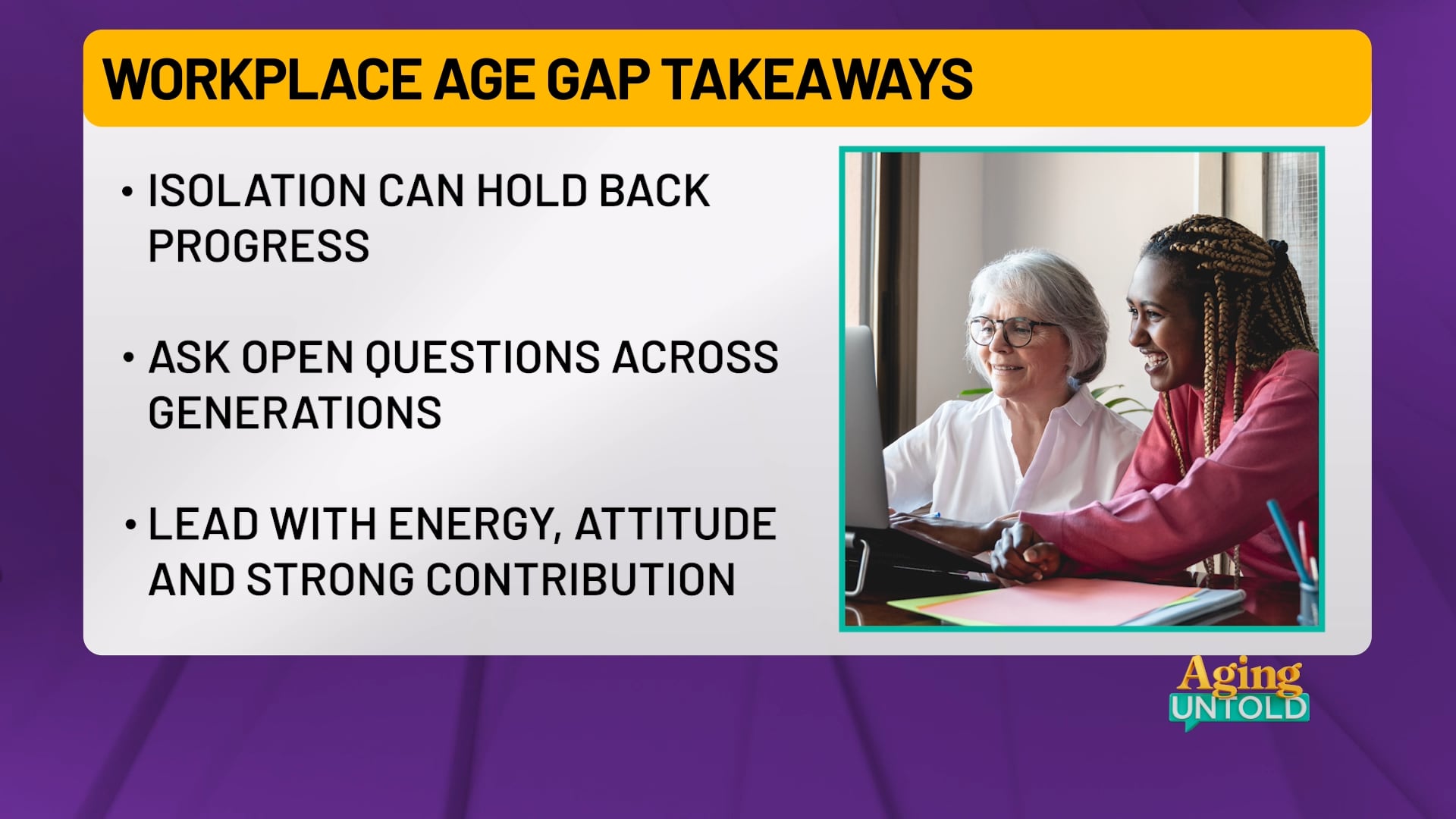
The core of reverse mentoring lies in recognizing the distinct yet complementary strengths each generation brings to the professional environment. Older employees are often credited with possessing deep institutional memory and well-honed interpersonal skills. Conversely, younger generations are frequently seen as adept in technological advancements and digital fluency. By facilitating a reciprocal learning dynamic, organizations can leverage these varied expertise sets.
This strategy encourages a departure from rigid, “all-or-none” perspectives regarding age and ability in the workplace. Instead, it promotes an environment where continuous learning and mutual respect are prioritized. Key to successfully navigating this model are personal attributes such as humility, which allows individuals to be open to learning from those with different experiences, and a sustained sense of personal energy. Maintaining a proactive attitude is also identified as crucial for individuals at any career stage to remain competitive and retain their value to an organization.
The trend summary indicates that this collaborative approach aims to break down age-related barriers and misconceptions, fostering a culture where employees of all ages feel empowered and relevant. The effectiveness of such programs is rooted in the idea that adaptability and a willingness to embrace new knowledge and skills are vital for career longevity and professional contribution in today’s evolving work landscape.
Story summarized from the original created by LeAnne Gendreau, Katherine Ambrose , Sondra ‘Sam’ Cradduck , Amy Amy Cameron O’Rourke, Rhea Rogers on www.wlfi.com, see more information here.
Media gallery