NASA’s Swift Observatory Falls to Earth After 22-Year Mission
NASA's Swift Observatory, a premier space telescope that studied cosmic explosions for 22 years, plunged to Earth near Indonesia after a failed rescue mission, driven by intense solar activity that caused its orbit to decay.

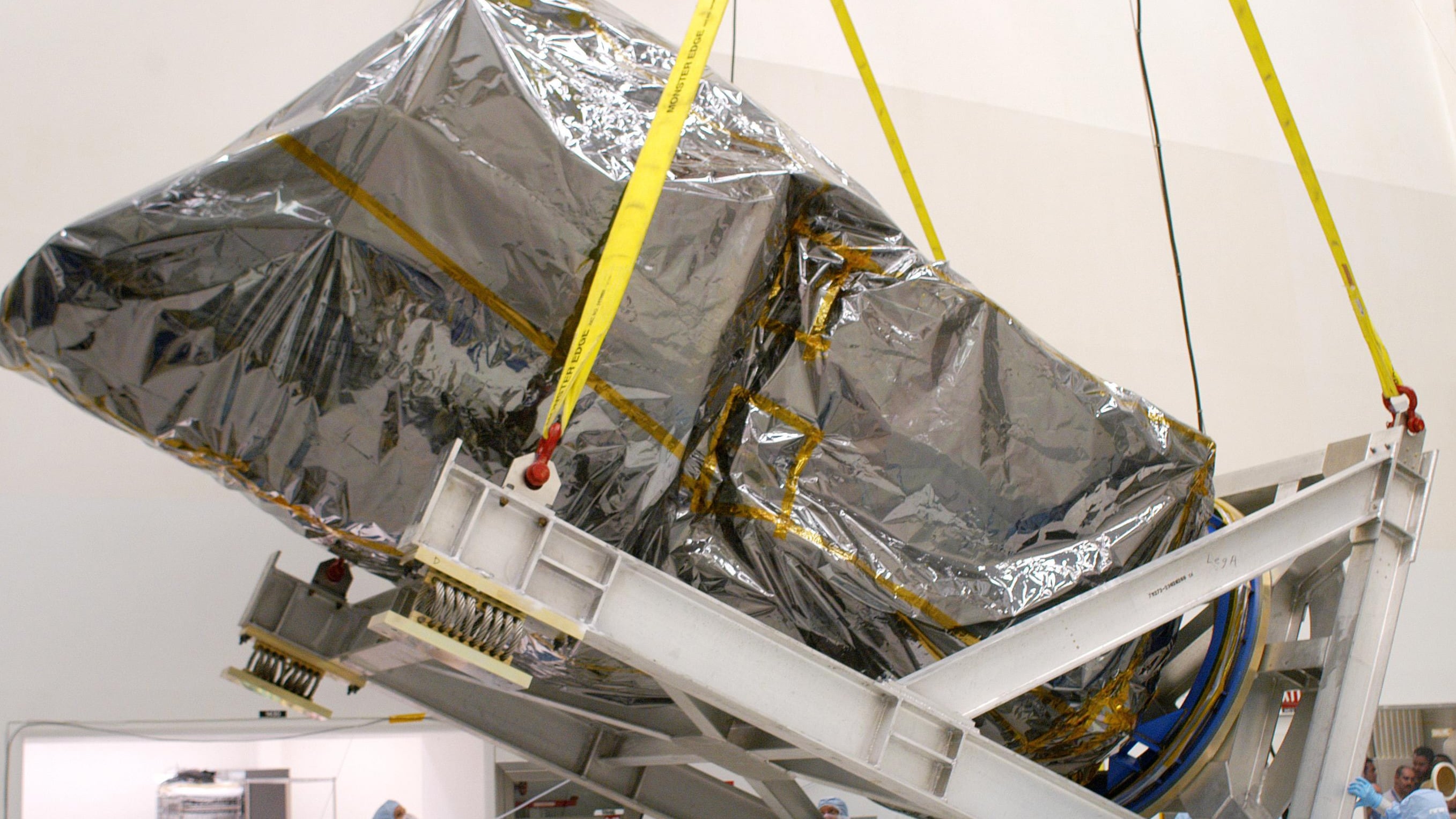
 Lafayette, IN, November 5, 2026 —
NASA’s Swift Observatory, a prominent space telescope that spent 22 years observing cosmic explosions, has fallen to Earth. The observatory reportedly plunged near Indonesia following a mission to save it, which ultimately failed.
The decay of Swift’s orbit, leading to its reentry into Earth’s atmosphere, was attributed to intense solar activity. The specifics of the ‘failed rescue mission’ were not provided in the available information. The exact nature of the solar activity and its precise impact on the observatory’s orbital path were also not detailed.
For over two decades, the Swift Observatory played a critical role in studying transient astronomical events, commonly known as cosmic explosions. These events include gamma-ray bursts, supernovae, and other energetic phenomena in the universe. The observatory’s capabilities allowed scientists to quickly observe these fleeting cosmic occurrences, providing valuable data for astronomical research.
The observatory’s end came after its orbit decayed, a process accelerated by the solar activity. The statement indicated the observatory plunged to Earth in the vicinity of Indonesia. No further details were immediately available regarding the specific impact zone, potential debris, or any consequences of the observatory’s reentry.
Story summarized from the original created by Associated Press on www.wlfi.com, see more information here.
Media gallery