Candidates Court Bipartisan Support Ahead of Midterms, Experts Advise Caution
Midterm election candidates across various states, including Alaska, Kansas, and Texas, are promoting their ability to win voters from across party lines, citing endorsements from opposing party officials and voters. However, political experts suggest that while this crossover support is…

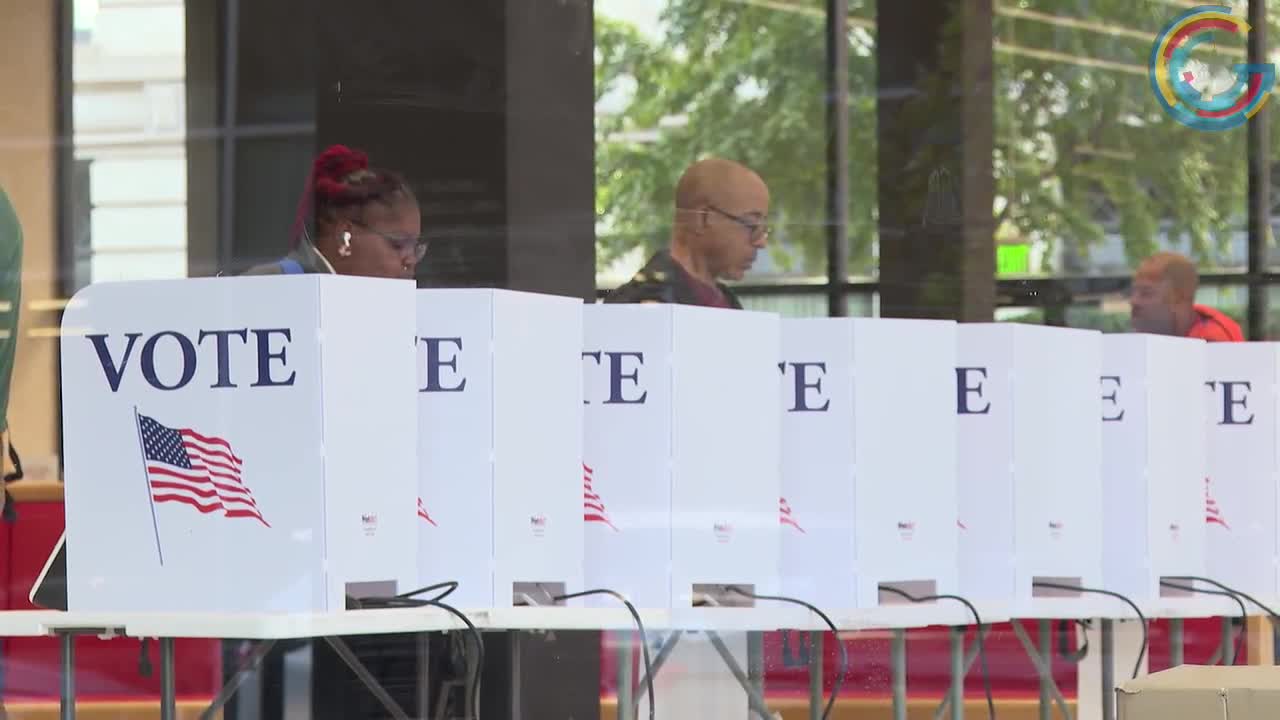
 Lafayette, IN, October 29, 2026 — In the lead-up to the midterm elections, candidates in several states are emphasizing their appeal across the political spectrum, seeking to draw support from voters traditionally aligned with opposing parties. This strategy is evident in states such as Alaska, Kansas, and Texas, where campaigns are highlighting endorsements from officials and voters from different political affiliations.
The aim for these candidates is to present themselves as unifying figures capable of transcending partisan divides. Campaigns may point to instances where individuals from opposing parties have publicly endorsed a candidate, suggesting a broader base of appeal than party registration alone might indicate. This tactic seeks to capture independent voters or disillusioned members of the opposition party.
Political experts, however, offer a tempered view on the impact of such cross-party support. While acknowledging that it can be a notable aspect of certain campaigns, these analysts suggest that the number of voters who switch their allegiance across party lines is often limited.
According to political observers, this crossover support typically influences only a small fraction of the overall electorate. The consensus among many experts is that while such endorsements can generate positive headlines and demonstrate a candidate’s broad appeal, their power to significantly alter election outcomes is often constrained. The primary exception, these experts note, is in races that are exceptionally close, where even a modest shift in voter preference could prove decisive.
The effectiveness of this bipartisan outreach strategy remains a key question as election day approaches, with analysts suggesting that its ultimate impact will likely depend on the specific dynamics of each race and the overall political climate.
Story summarized from the original created by Stetson Miller on www.wlfi.com, see more information here.
Media gallery