Experts Clarify Essential Tremor Diagnosis in Lafayette
In Lafayette, IN, experts are clarifying the differences between essential tremor and other conditions that cause tremors in the hands, head, or voice. The key diagnostic clue is often timing: essential tremors typically manifest during active movement, whereas tremors associated…
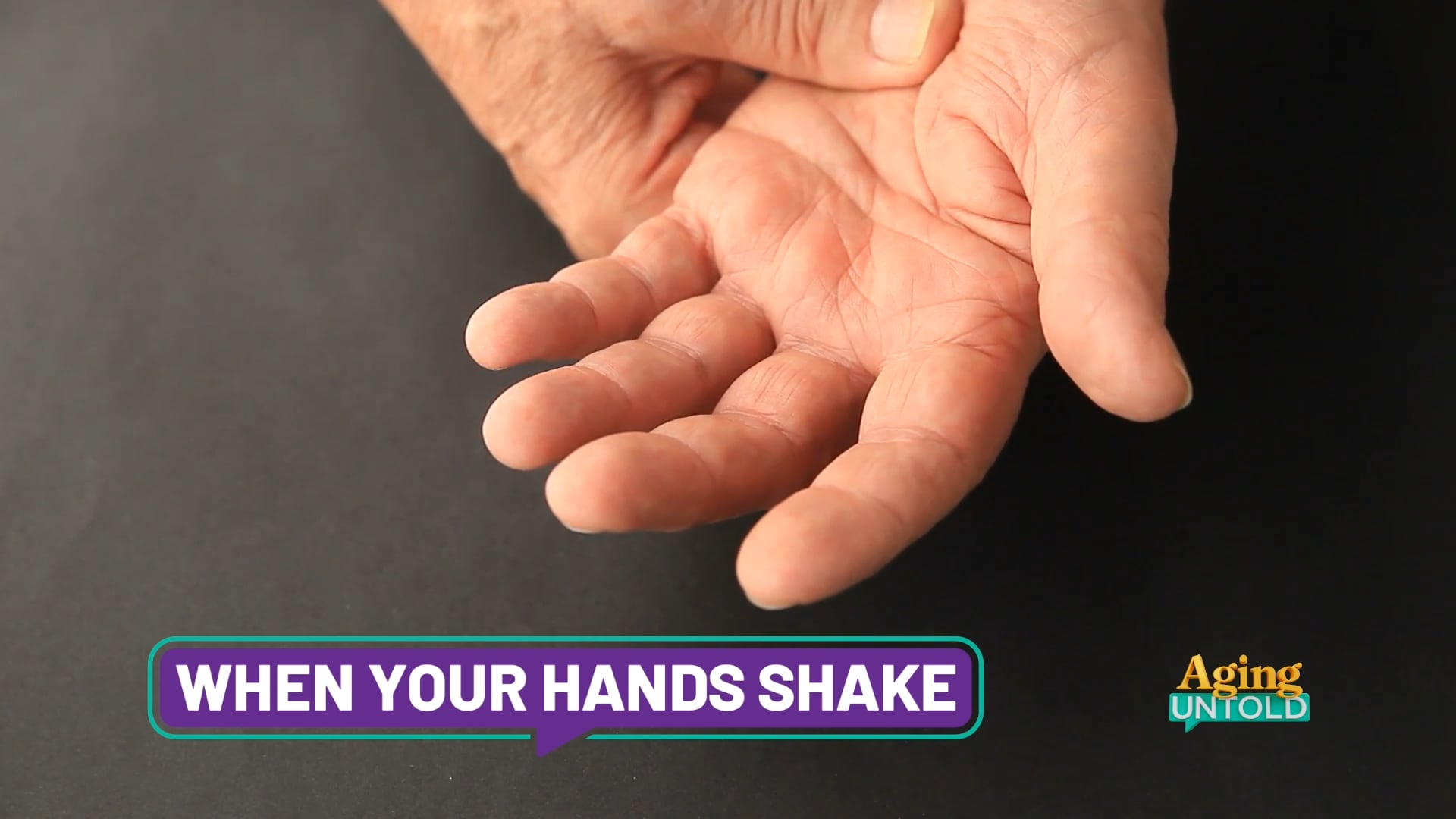
 Lafayette, IN, October 9, 2026 — In Lafayette, Indiana, medical professionals are providing updated guidance to help distinguish between essential tremor and other conditions that can cause involuntary shaking, commonly referred to as tremors. These tremors can affect the hands, head, or voice, leading to patient concern and diagnostic challenges. Experts are emphasizing the importance of understanding the nuanced differences to ensure accurate diagnosis and appropriate management.
A primary factor highlighted in the diagnostic process is the timing of the tremor. According to medical experts, essential tremor typically becomes apparent when a person is actively engaged in a task or movement. This distinguishes it from tremors associated with certain neurological conditions, such as Parkinson’s disease, which are often characterized by resting tremors – shaking that occurs when the body part is at rest and often subsides during voluntary movement.
The clarification comes as individuals experiencing tremors seek medical advice. Health professionals underscore the critical need for a thorough medical evaluation before a tremor is definitively identified as essential tremor. This approach is crucial for ruling out a range of other potential underlying medical issues that can mimic the symptoms of essential tremor. These include, but are not limited to, thyroid irregularities, fluctuations in blood sugar levels (hypoglycemia or hyperglycemia), and the physiological effects of anxiety.
Consulting a physician is therefore deemed a necessary step for anyone experiencing persistent tremors. A doctor can conduct a comprehensive examination, review medical history, and order necessary tests to pinpoint the exact cause of the tremor. This systematic approach ensures that patients receive the correct diagnosis, which is fundamental for developing an effective treatment plan tailored to their specific condition. Without this careful evaluation, a tremor might be misattributed, potentially delaying diagnosis of other treatable conditions.
The goal of this increased focus on diagnostic clarity is to improve patient outcomes by ensuring that tremors are properly identified, whether they are indicative of essential tremor, a symptom of another neurological disorder, or related to a metabolic or psychological condition. The emphasis remains on a physician-led diagnostic process that considers all possibilities.
Information regarding the specific medical professionals or institutions leading this clarification effort in Lafayette was not provided. Similarly, details concerning the prevalence of these conditions or specific diagnostic protocols beyond the timing clue were not detailed.
Story summarized from the original created by LeAnne Gendreau, Katherine Ambrose , Sondra ‘Sam’ Cradduck , Amy Amy Cameron O’Rourke, Rhea Rogers on www.wlfi.com, see more information here.
Media gallery