
Lafayette Residents Discuss Long-Term Care Insurance Amidst Rising Care Costs
In Lafayette, IN, trending discussions around long-term care insurance highlight its potential to cover expenses like hands-on assistance with daily activities. Experts advise purchasing policies ideally between ages 50 and 70, noting that younger individuals generally pay lower premiums. The…
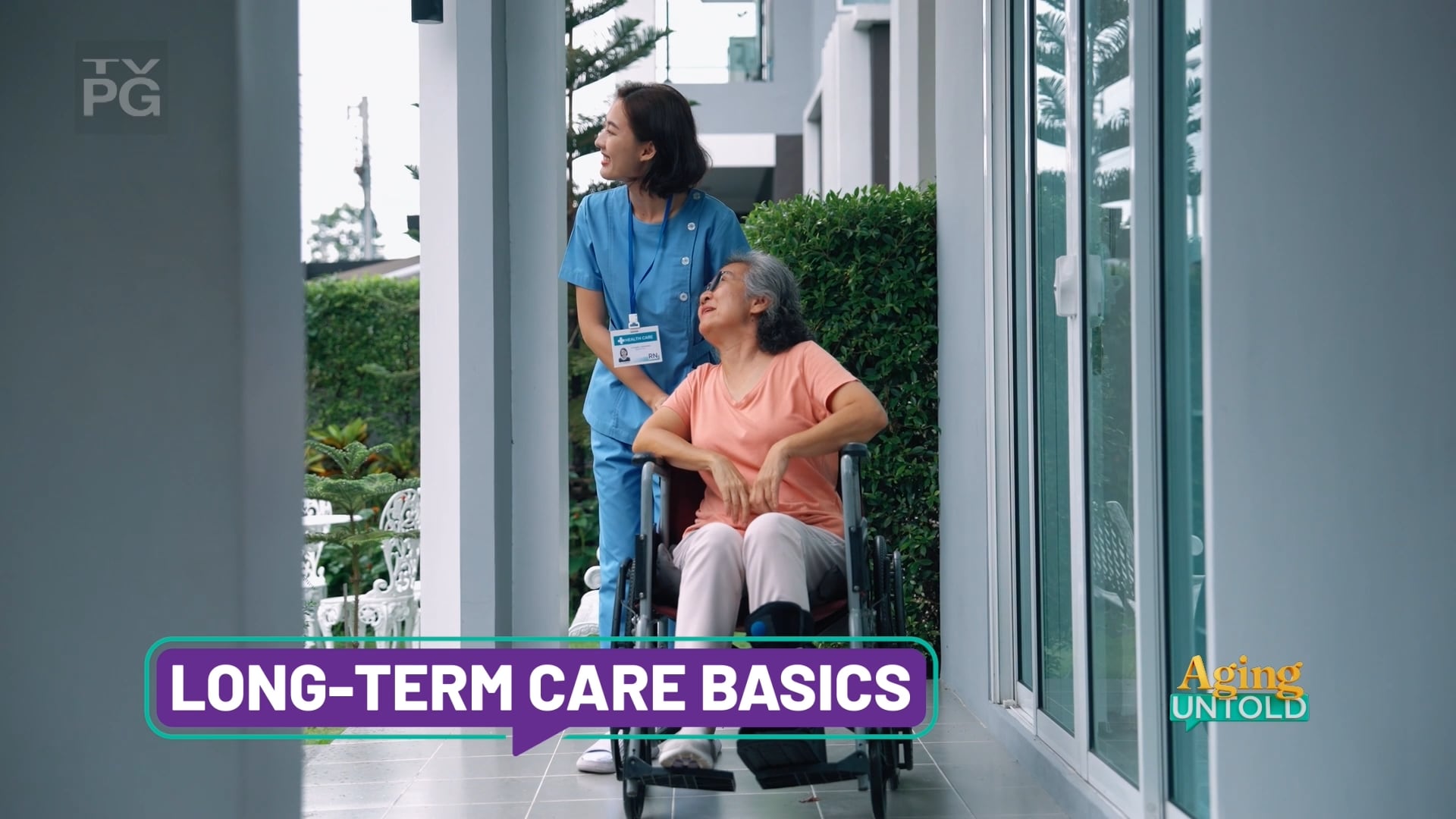
 Lafayette, IN, October 5, 2026 — Discussions in Lafayette, Indiana, are increasingly focusing on long-term care insurance as a financial planning tool. The insurance is seen as a way to potentially cover significant expenses, including the cost of hands-on assistance with daily living activities. These activities can encompass tasks such as bathing, dressing, and eating, which become more challenging for individuals as they age or face chronic health conditions.
Experts in the field are advising residents on the optimal timing for purchasing such policies. The general recommendation is to acquire long-term care insurance ideally between the ages of 50 and 70. It is noted that individuals who secure coverage at younger ages typically benefit from lower premium rates, as risk factors are often perceived as lower. Conversely, premiums can increase with age.
A key aspect of understanding long-term care insurance involves familiarity with various policy components. One crucial element is the elimination period, which refers to the waiting time a policyholder must observe after becoming eligible for benefits before those benefits actually begin. Shorter elimination periods often result in higher premiums. The trend summary also points to the advantage of hybrid policies. These offer greater flexibility, potentially combining long-term care coverage with other financial products like life insurance, providing a dual benefit structure.
The structure of benefit payouts is another important consideration. Benefits are generally structured through daily caps, which limit the maximum amount payable per day, and maximum lifetime amounts, setting an overall limit on the total benefits an individual can receive over the course of their policy. Understanding these limits is vital for ensuring adequate coverage for the actual cost of care, which can be substantial.
The central themes emerging from these discussions underscore the significant financial implications of long-term care. Residents are being encouraged to not only be aware of policy limits but also to carefully budget for the ongoing cost of premiums. The specific contractor or insurer providing these advisories was not detailed in the trend summary.
Story summarized from the original created by LeAnne Gendreau, Katherine Ambrose , Sondra ‘Sam’ Cradduck , Amy Amy Cameron O’Rourke, Rhea Rogers on www.wlfi.com, see more information here.
Media gallery

