Arizona Resident Loses $45,000 in Jury Duty Impersonation Scam
A woman in Arizona lost $45,000 after falling victim to a jury duty scam where individuals impersonating law enforcement convinced her she needed to pay fines and bond to avoid jail time for missing jury duty.
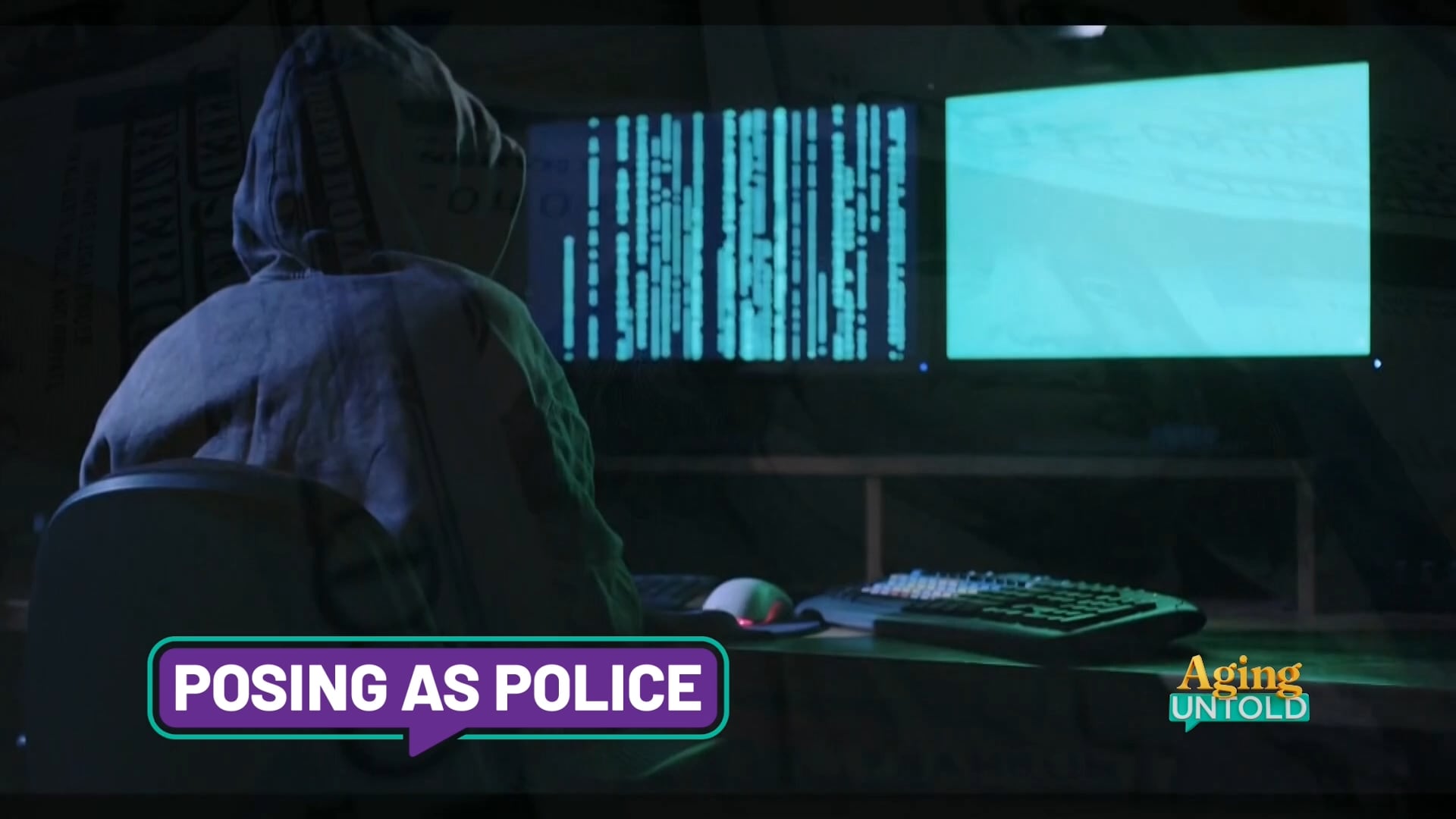
 Lafayette, IN, October 9, 2026 — A recent incident in Arizona has highlighted the dangers of jury duty scams, resulting in a significant financial loss for one resident. The woman, whose identity has not been released, reportedly lost $45,000 after being targeted by individuals posing as law enforcement officials.
The scam involved convincing the victim that she had failed to appear for jury duty and, as a consequence, owed substantial fines and bond to avoid immediate arrest and jail time. The perpetrators leveraged the authority of impersonated law enforcement to create a sense of urgency and fear, pressuring the woman into making the payments.
The scam tactics employed are common in impersonation schemes, where criminals exploit legitimate civic duties like jury service to defraud individuals. Victims are often led to believe they face serious legal repercussions, such as arrest warrants, if they do not comply with the demands for payment.
Details regarding the specific law enforcement agencies impersonated or the exact timeline of the events leading up to the financial loss were not immediately available. The sum of $45,000 represents the total amount the victim reportedly paid under duress.
Authorities frequently warn the public about such scams, emphasizing that legitimate court summonses and communications regarding jury duty are typically handled through official mail channels and do not involve demands for immediate payment via wire transfer, gift cards, or other untraceable methods. Furthermore, law enforcement agencies do not typically call individuals to demand payment for missed jury duty to avoid arrest. Residents are advised to verify any suspicious communications directly with the court clerk’s office or local law enforcement through official contact information, not numbers provided by the caller.
Story summarized from the original created by Mickaela Castillo on www.wlfi.com, see more information here.
Media gallery