Nationwide Animal Shelters Face Overwhelming Capacity Issues Due to Geographic Mismatch
Animal shelters nationwide are facing overwhelming capacity issues, largely due to a geographic mismatch where animals are concentrated in regions with fewer adopters and resources. Organizations like the ASPCA are addressing this by relocating pets from under-resourced areas, such as…
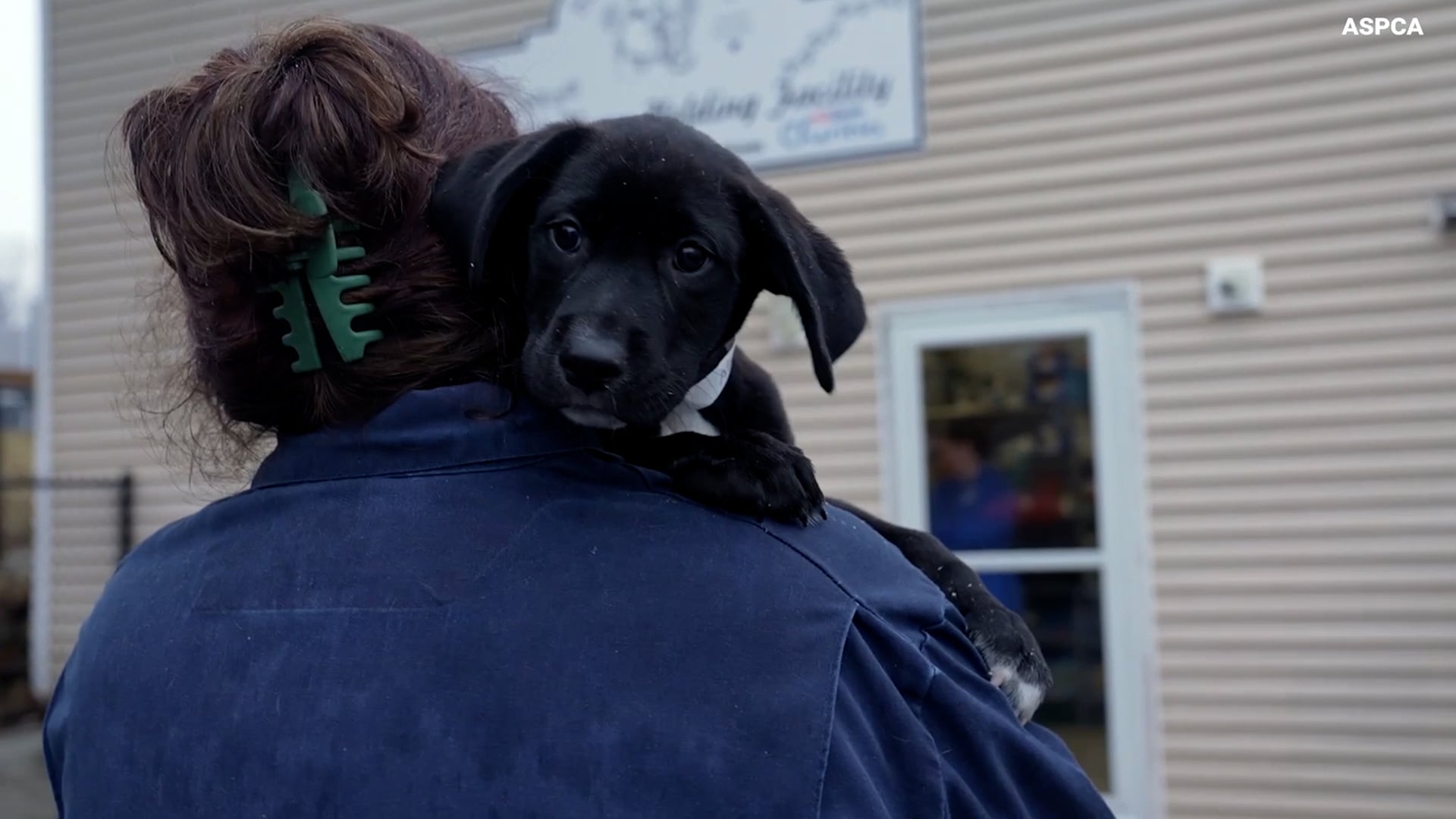
 Lafayette, IN, October 2, 2026 — Animal shelters across the United States are grappling with severe overcrowding, a situation primarily attributed to a significant geographic disparity in animal populations versus adopter availability and resources. This imbalance means that areas with a higher intake of animals often have fewer available homes and less capacity to care for them.
Organizations are working to mitigate this crisis. The ASPCA, among others, is actively engaged in relocating pets from regions experiencing critical shortages of adopters and resources. These often include areas in the South and Midwest.
The relocated animals are being moved to destination shelters situated in locations where adoption rates are demonstrably higher. Kansas City is cited as one such destination city, indicating a strategic effort to connect animals with potential adopters more efficiently. This approach aims to alleviate pressure on overcrowded shelters and increase the chances of successful adoptions for animals in need.
The specific details regarding the exact number of animals relocated, the duration of this initiative, or the names of all participating organizations beyond the ASPCA were not provided in the summary. Further information on the logistical challenges and the long-term impact of these relocation efforts is also not detailed in the available summary.
The core of the issue lies in the uneven distribution of adoptable animals and the human resources and infrastructure needed to support them. This trend highlights a complex logistical and humanitarian challenge within the animal welfare community.
Story summarized from the original created by Kristin Crowley, Shannon Weston on www.wlfi.com, see more information here.
Media gallery